
Dog insurance • Define useful protection

Choose affordable dog insurance without losing the point

Start with the risks you want help funding and the money you can actually access. Then compare the low-price offers that survive those tests.

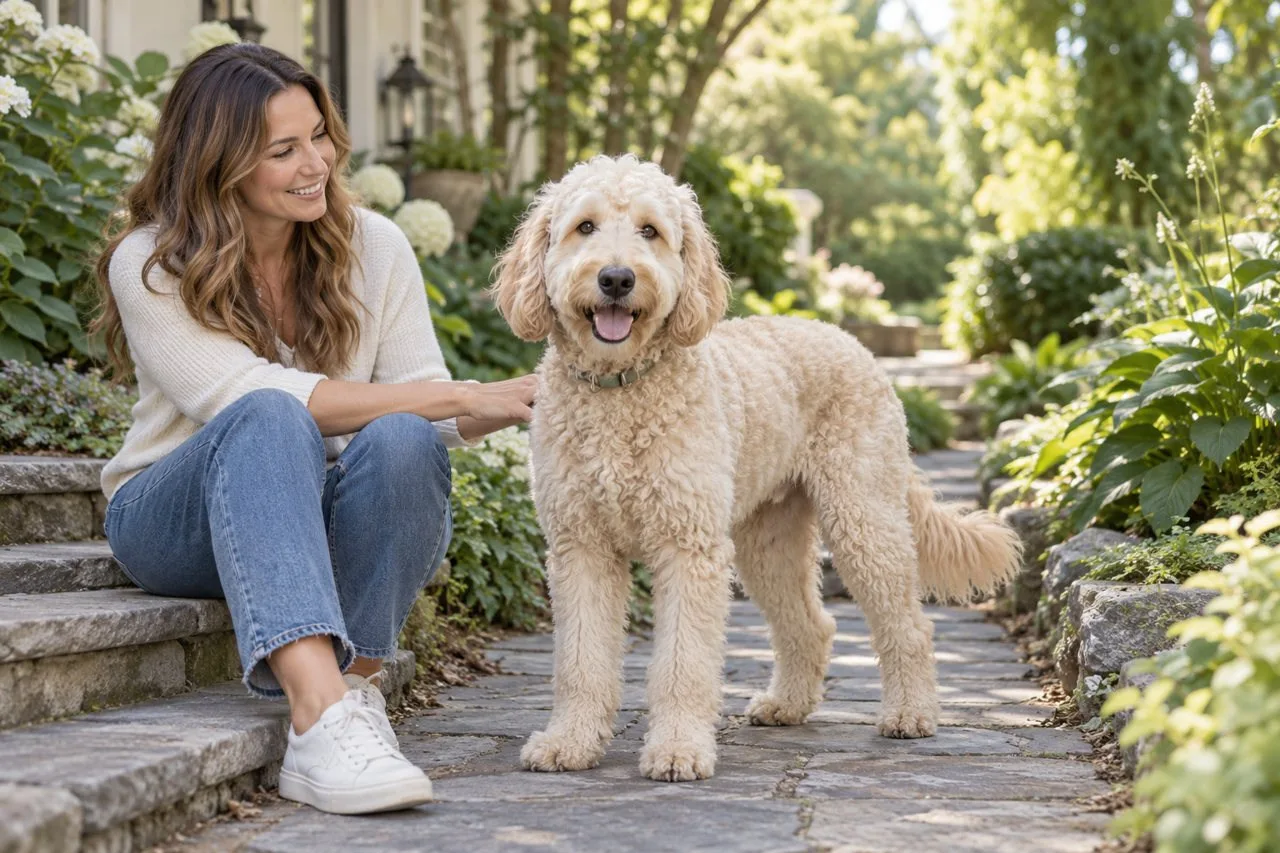
Owner sitting outdoors beside a light-colored curly-coated dog
✓ Policy-first ✓ Independent ✓ Useful checks
Direct answer
The best affordable pet insurance for a dog is the least costly suitable offer you can keep paying for while still funding your share of care. There is no universal cheapest winner. Compare dog-specific eligibility and medical exclusions first, then current matched prices; an accident-only plan or a large deductible can lower the premium by leaving more risk with you.
Pet profile

Remove offers that fail your dog’s needs

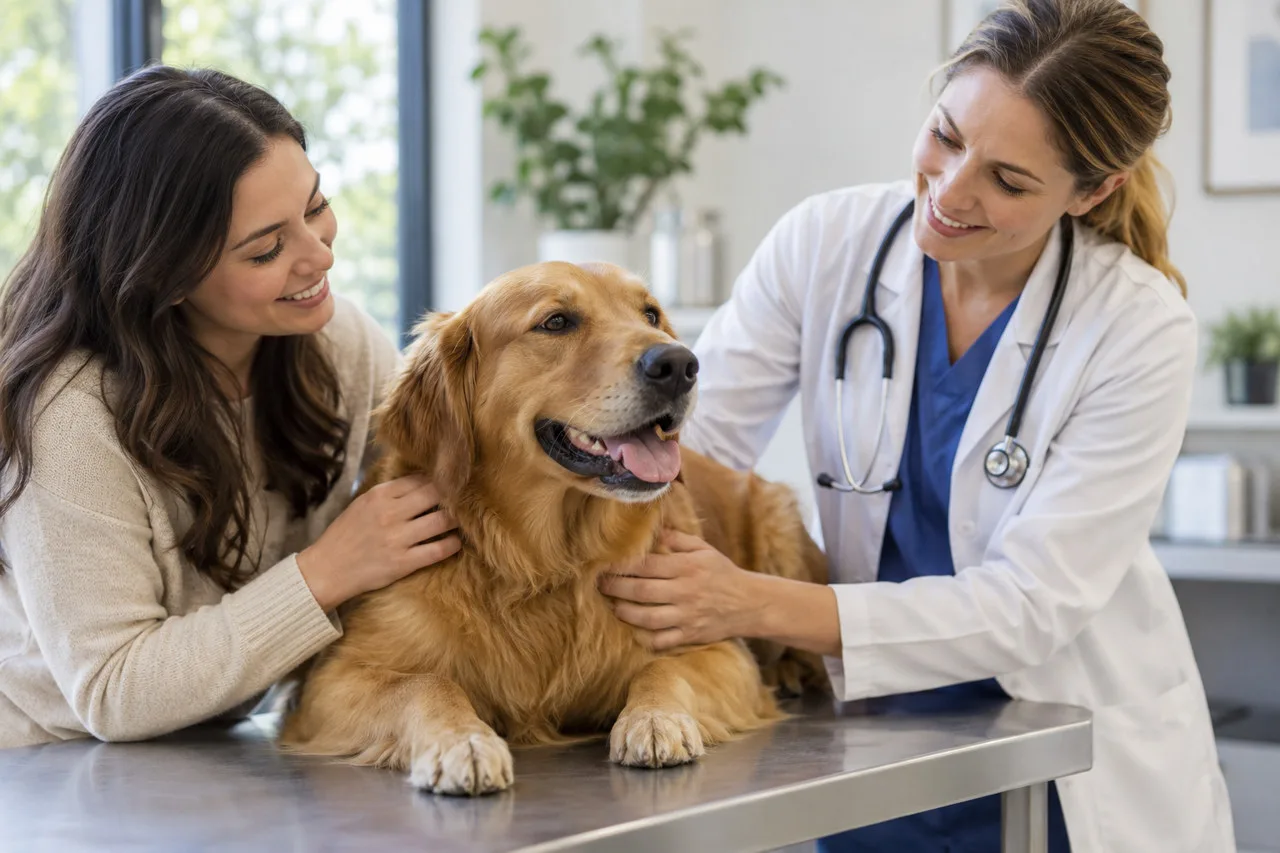
Veterinarian and owner with a dog in an examination room
Use the dog’s actual history to decide which low-price offers remain useful.

Write down prior symptoms, ongoing medicines and any treatment recommendations before looking at the price. Ask what future protection remains if a relevant condition is excluded. A breed-related risk is not itself proof that the dog already has a disease, but a breed name in a quote menu does not prove coverage for every associated condition.

Knee protection deserves an exact question if it matters to you. ACVS explains that canine cruciate disease often develops gradually. Do not assume that an injury noticed during play necessarily belongs in accident-only insurance. Check the offered policy’s orthopedic and illness definitions.

For an older dog, distinguish permission to enroll from the kind of offer you receive. Pets Best states no upper enrollment-age limit, but its FAQ says some severe chronic histories can lead to an accident-only offer. That can be a legitimate narrower choice; it should not be ranked beside broader illness cover as though the benefits were identical.

Cost & value

Lower the price in an order you can explain

Adjustment to consider What you preserve or surrender Decision test
Remove an unwanted routine-care package Keeps the underlying medical design if nothing else changes. Will you actually use enough scheduled services to justify its added charge?
Compare billing and eligible discounts May change the price without changing medical benefits. Can you afford the payment schedule, and what conditions keep the discount?
Raise the deductible Usually accepts more expense before insurer payment. Could you pay the larger amount when care is needed?
Reduce reimbursement or a limit Leaves a larger share of an eligible bill with you. Does the remaining protection still address your main financial risk?
Change to accident-only Removes the illness protection that an accident-and-illness offer would provide. Is that narrower risk transfer an intentional, acceptable choice?

This is an order for examining trade-offs, not a recommendation that everyone should make all of them. Re-quote one change at a time. Keep any feature you regard as essential out of the cost-cutting exercise. A discount is useful only after the policy passes that test.

Do not set the deductible by asking only which option makes the monthly premium look comfortable. The possible clinic payment and excluded expenses still need a plan.

Compare

Compare structures instead of assigning a national winner

Compare a fully selected offer, not the base price against another plan containing additional services. Its reimbursement model also means you should consider the money needed at the practice.

Pets Best describes an annual deductible. Trupanion describes a lifetime per-condition deductible. If you investigate both, ask how multiple unrelated conditions and one continuing condition would be grouped. A lower deductible label can be misleading when its unit differs.

No normalized quotes were collected for this guide, and no insurer is ranked for price or renewal stability. These limited official examples identify differences worth pricing for your own dog. Availability, state form and individual history can change the result.

What to know

Check whether you can keep the policy after the first term

Ask what may change at renewal and when you will receive the new price. Keep the initial discount separate from the ongoing premium. A quote today does not tell you what a dog will cost to insure throughout its life.

If you already insure the dog, compare the value of continuing coverage for existing conditions before switching. A replacement can treat conditions that developed under the old contract as pre-existing. The apparent premium saving may come with a loss you cannot reverse.

If every suitable offer exceeds your budget, identify the remaining gap honestly. A narrower policy may still help with some risks, while savings or practice payment arrangements may help with others; none guarantees the ability to fund a major bill. Discuss current care needs with the veterinarian and choose only a policy whose continuing cost and limitations you understand.

Evidence

Sources and policy context

These public references support the consumer or veterinary context. Named insurer details were checked in official product materials; the policy offered for your pet and state determines the actual terms.

Next step

Compare Current Pet Insurance Rates

Check current options for your pet and location, then compare the policy details, exclusions, costs, and eligibility before choosing.

Compare the policy before you choose Check the actual offer, exclusions and out-of-pocket terms.
See Rate Options